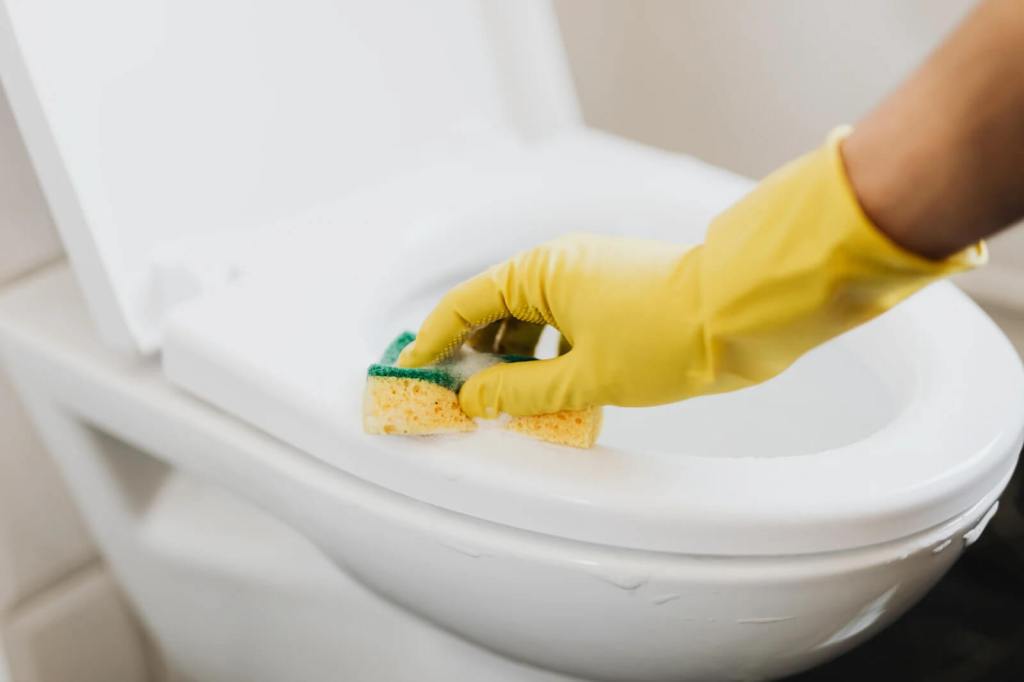
Let’s be honest — nobody enjoys scrubbing the toilet. But even if you clean regularly, stubborn stains seem to have a mind of their own. Hard water marks, rust rings, mineral build-up, and even mould can leave your toilet looking less-than-fresh. If you’ve been searching for the best ways to remove toilet bowl stains, you’re not alone. It’s one of the most common bathroom maintenance questions out there!
The good news? With the right know-how (and a few clever tricks), those unsightly stains don’t stand a chance. In this guide, we’ll break down the causes of stains, the best cleaning methods, and when to call in a professional like DCM Plumbing & Drainage for a lasting solution.
Why Do Toilet Bowl Stains Appear?
Before tackling stains, it helps to know what’s causing them. Different types of stains need different approaches. Here are the usual suspects:
- Hard Water Deposits: Mineral build-up from calcium and magnesium leaves chalky white or brown streaks.
- Rust: High iron content in water creates reddish-brown stains around the bowl or under the rim.
- Limescale: Thick, crusty layers of mineral deposits that cling tightly to porcelain.
- Mould and Mildew: Black or greenish stains caused by damp, poorly ventilated bathrooms.
- Organic Build-Up: When the toilet isn’t flushed regularly, stains can appear more quickly.
Everyday Cleaning Solutions
The best way to keep stains under control is simple: regular cleaning. You don’t need expensive products — everyday household items often do the trick.
1. Baking Soda and Vinegar
- Sprinkle baking soda around the bowl.
- Pour in white vinegar (it will fizz).
- Let it sit for 15–30 minutes.
- Scrub with a toilet brush and flush.
This natural combo works wonders for light stains and odours.
2. Lemon Juice and Borax
- Mix lemon juice with borax into a paste.
- Apply directly to stains.
- Leave for 20 minutes before scrubbing.
Lemon acts as a natural bleaching agent and leaves a fresh scent.
3. Toilet-Specific Cleaners
Commercial cleaners are effective, but check the labels — some contain harsh chemicals that may damage your pipes if used too often.
Tackling Stubborn Toilet Bowl Stains
Some stains just won’t budge with everyday cleaning. For those, you’ll need stronger methods.
1. Pumice Stone (for Porcelain Bowls Only)
- Wet the pumice stone and gently scrub the stain.
- Keep the surface wet to avoid scratches.
2. Hydrogen Peroxide
- Pour half a cup directly into the bowl.
- Let it sit for 30 minutes.
- Scrub and flush.
Hydrogen peroxide is great for disinfecting and whitening.
3. Commercial Descalers
For heavy limescale build-up, use a descaling product designed to dissolve mineral deposits. Follow directions carefully.
Rust and Iron Stains
Rust stains can be particularly frustrating. They often return quickly if the water supply contains high iron levels.
- Use cleaners specifically labelled for rust removal.
- Avoid bleach — it can actually make rust stains worse.
- For persistent rust issues, you may need to address the water quality with a plumber’s help.
Limescale: The Toughest Stain of All
Limescale forms when hard water minerals harden into a crust on your toilet. It’s unsightly and tough to remove.
Method:
- Pour vinegar into the bowl until it covers the stains.
- Leave overnight.
- Scrub with a stiff brush or pumice stone.
- For severe build-up, repeat several times.
According to Better Health Channel, untreated limescale can even harbour bacteria, so regular removal is important for hygiene.
Natural vs Chemical Cleaners
Both natural and chemical cleaners have their place:
- Natural Cleaners (baking soda, vinegar, lemon): Eco-friendly, affordable, safe for septic systems. Best for light to moderate stains.
- Chemical Cleaners: Stronger and faster for tough stains but may damage surfaces or plumbing if overused.
For most households, a combination of the two works best.
Preventing Toilet Bowl Stains
The easiest way to deal with stains? Stop them before they start.
- Flush Regularly: Even in rarely used bathrooms.
- Clean Weekly: A quick brush prevents build-up.
- Ventilate Bathrooms: Reduces mould and mildew growth.
- Install a Water Softener: Helps if your home has very hard water.
A little prevention goes a long way in keeping your toilet fresh and stain-free.
When to Call a Plumber
Sometimes, recurring stains aren’t just cosmetic — they’re a sign of a bigger issue.
- Persistent rust may indicate old, corroded pipes.
- Constant limescale could mean untreated hard water.
- Frequent staining even after cleaning may suggest drainage or flow problems.
That’s where professional plumbers like DCM Plumbing & Drainage step in. With over 20 years of experience serving the Gold Coast, they can diagnose and resolve the underlying causes of stubborn stains. From pipe inspections to water treatment solutions, they’ll keep your toilet (and your whole plumbing system) in top condition.
Why Choose DCM Plumbing & Drainage?
Here’s why Gold Coast residents trust DCM Plumbing:
- Established Since 2002: Decades of local knowledge and reliable service.
- Comprehensive Expertise: Residential and commercial plumbing solutions.
- Efficient Scheduling: Streamlined systems ensure prompt service, even during peak times.
- Proven Results: A reputation built on professionalism and quality workmanship.
If you’re tired of battling stains that just won’t go away, DCM Plumbing offers the professional solutions you need.
Final Thoughts
Toilets are one of the most-used fixtures in any home, and keeping them clean is essential for both hygiene and comfort. With the right techniques, you can easily remove toilet bowl stains caused by hard water, rust, or limescale.
For everyday maintenance, natural solutions like vinegar and baking soda are your best friend. For stubborn build-up, stronger methods or professional help may be needed. And if stains keep coming back, it’s time to call the experts at DCM Plumbing & Drainage to get to the root of the problem.
Because a sparkling toilet isn’t just about looks — it’s about keeping your whole plumbing system running smoothly.
 Commercial Plumbing Service
Leave a comment