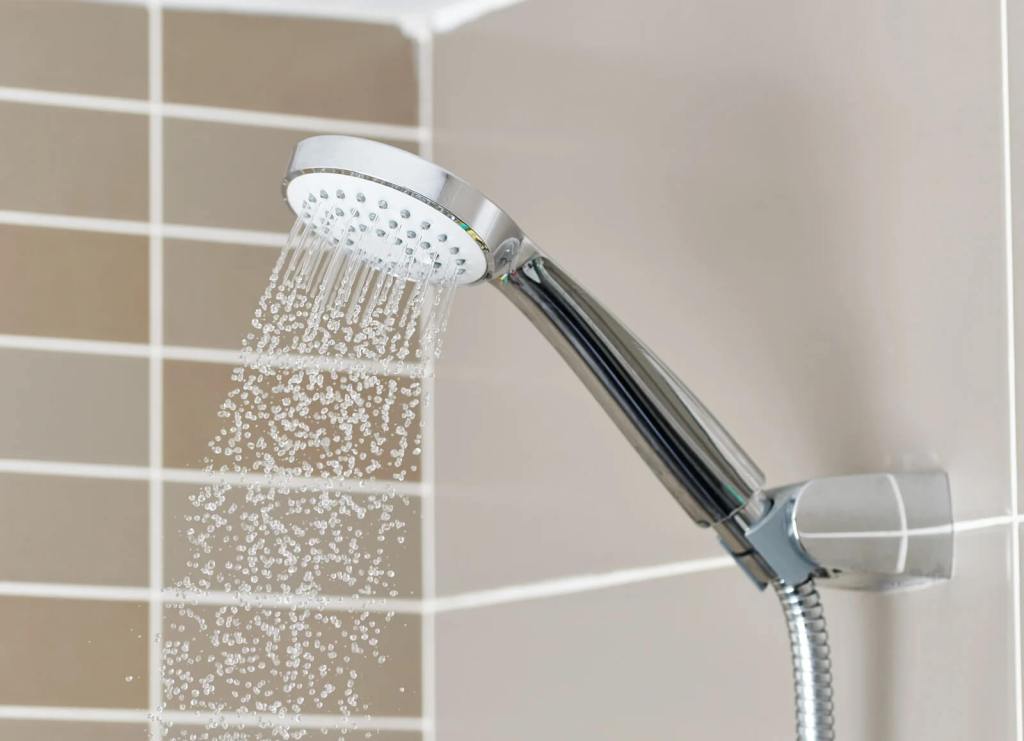
A hot, refreshing shower is something many of us look forward to every day. But over time, your shower head can become clogged with limescale, mould, and bacteria, leading to weak water pressure, uneven spray, or even foul odours. That’s why knowing how to clean a shower head properly is essential—not just for hygiene, but also for maintaining efficient plumbing.
In this guide, we’ll walk you through:
- Why cleaning your shower head matters?
- The best methods to clean it naturally and effectively.
- Signs that it’s time to replace your shower head instead.
- How DCM Plumbing & Drainage can help with more serious plumbing issues.
Why It’s Important to Clean Your Shower Head
Shower heads are constantly exposed to water, making them a perfect breeding ground for mineral buildup and harmful bacteria. Neglecting regular cleaning can lead to:
- Reduced water flow – Minerals like calcium and magnesium from hard water block the nozzles.
- Unhygienic conditions – Bacteria and mould thrive in damp, warm environments. A 2009 study from the University of Colorado found that up to 30% of shower heads contained significant levels of Mycobacterium avium, linked to lung infections in susceptible individuals (source).
- Shorter lifespan – Mineral buildup corrodes metal parts and reduces your shower head’s durability.
- Higher water bills – A clogged shower head reduces efficiency, making showers longer and less effective.
How Often Should You Clean Your Shower Head?
As a rule of thumb:
- Light cleaning: Every 1–2 months.
- Deep cleaning: Every 3–6 months, especially if you live in a hard-water area like parts of the Gold Coast.
Regular cleaning helps you maintain optimal water flow and prevents bacteria buildup.
Best Methods to Clean a Shower Head
There are several ways to clean a shower head effectively. The method you choose depends on the level of buildup and whether you prefer natural or chemical solutions.
1. Vinegar Soak (Natural Method)
What You’ll Need:
- White vinegar
- A plastic bag
- Rubber band or twist tie
Steps:
- Fill a plastic bag halfway with white vinegar.
- Place the bag over the shower head so it’s fully submerged in vinegar.
- Secure the bag with a rubber band.
- Leave it to soak for 4–12 hours (overnight for tough buildup).
- Remove the bag and run hot water through the shower head to flush out loosened debris.
Why it works: Vinegar is acidic, which dissolves mineral deposits like calcium and limescale naturally without harsh chemicals.
2. Baking Soda & Vinegar Paste
For stubborn buildup, combine baking soda and vinegar into a thick paste. Apply it directly to the shower head, leave for 30 minutes, then scrub gently with a toothbrush before rinsing.
3. Lemon Juice Rinse
Lemon juice works similarly to vinegar and adds a fresh scent. Cut a lemon in half, rub it directly onto the shower nozzles, and let the juice sit for 20 minutes before rinsing with hot water.
4. Manual Scrubbing
If your shower head has flexible rubber nozzles, rub them with your fingers or an old toothbrush to break apart limescale. For metal shower heads, use a soft-bristle brush to avoid scratches.
5. Commercial Cleaning Products
If natural solutions don’t cut it, you can buy specialised limescale removers at hardware stores. Always check the label to ensure the cleaner is safe for your shower head material (e.g., chrome, stainless steel, or brass).
Step-by-Step Guide to Deep Clean a Removable Shower Head
- Detach the shower head with a wrench (wrap the fitting in cloth to avoid scratches).
- Soak it in vinegar for 12–24 hours in a bowl or bucket.
- Use a toothpick or needle to unclog individual spray nozzles.
- Rinse thoroughly with warm water.
- Reattach the shower head and run hot water for a few minutes to flush out residue.
Signs Its Time to Replace Your Shower Head
Even with proper maintenance, shower heads don’t last forever. You may need to replace yours if:
- Water pressure remains weak after cleaning.
- You notice leaks around the fittings.
- Corrosion or cracks are visible.
- The shower head is more than 7–10 years old.
If you’re unsure whether cleaning will fix the problem or replacement is a better option, consult a local plumbing expert like DCM Plumbing & Drainage.
How Hard Water Affects Shower Heads
In areas with hard water, like many parts of Queensland, minerals such as calcium and magnesium leave behind white, chalky deposits. These deposits clog nozzles and can corrode fittings over time.
Installing a water softener or inline shower filter can reduce buildup, making cleaning easier and extending your shower head’s lifespan. You can learn more about hard water and its effects on plumbing from the Australian Water Association (AWA).
Can a Dirty Shower Head Make You Sick?
Yes, potentially. Bacteria, mould, and fungi thrive in damp, warm environments. A clogged shower head may harbour harmful microorganisms that are released in the spray. While most healthy people are unaffected, those with weakened immune systems may be at risk.
Regular cleaning dramatically reduces these risks.
DCM Plumbing & Drainage – Your Local Experts
If cleaning your shower head doesn’t solve your problem, the issue may be deeper within your plumbing system. That’s where DCM Plumbing & Drainage comes in.
Servicing the Gold Coast since 2002, this family-owned plumbing business specialises in:
- Shower head repairs and replacements.
- Water pressure issues and leak detection.
- General plumbing and drainage solutions for residential and commercial properties.
- Efficient job scheduling using their extensive local knowledge.
With a reputation for reliability, professionalism, and high service standards, DCM Plumbing ensures your shower—and your entire plumbing system—runs smoothly.
Preventative Tips to Keep Your Shower Head Clean
- Wipe it down weekly with a damp cloth to prevent soap scum buildup.
- Run hot water for a minute after each use to flush out residue.
- Install filters to reduce hard water deposits.
- Deep clean regularly using vinegar or lemon juice.
Eco-Friendly Shower Head Cleaning
If you’re conscious about the environment, natural methods like vinegar, lemon juice, and baking soda are excellent options. They avoid harsh chemicals and are safe for septic systems.
Frequently Asked Questions
Can I use bleach to clean a shower head?
While bleach kills bacteria, it may damage metal finishes and rubber seals. Vinegar or lemon juice is safer.
How long should I soak my shower head in vinegar?
Anywhere from 4–12 hours, depending on buildup. Overnight soaking is best for tough clogs.
Why is my shower pressure still low after cleaning?
The problem may be deeper in your plumbing system, such as clogged pipes or a faulty mixer valve. Call a plumber for diagnosis.
Final Thoughts
Knowing how to clean a shower head not only improves water flow but also ensures a healthier, more enjoyable shower experience. By using natural methods like vinegar or lemon juice, you can keep your shower fresh, efficient, and hygienic.
But if cleaning doesn’t solve the problem, or you’re dealing with persistent water pressure issues, it’s time to call the experts. DCM Plumbing & Drainage has the experience, tools, and knowledge to get your shower—and your entire plumbing system—back in top shape.
 Commercial Plumbing Service
Leave a comment