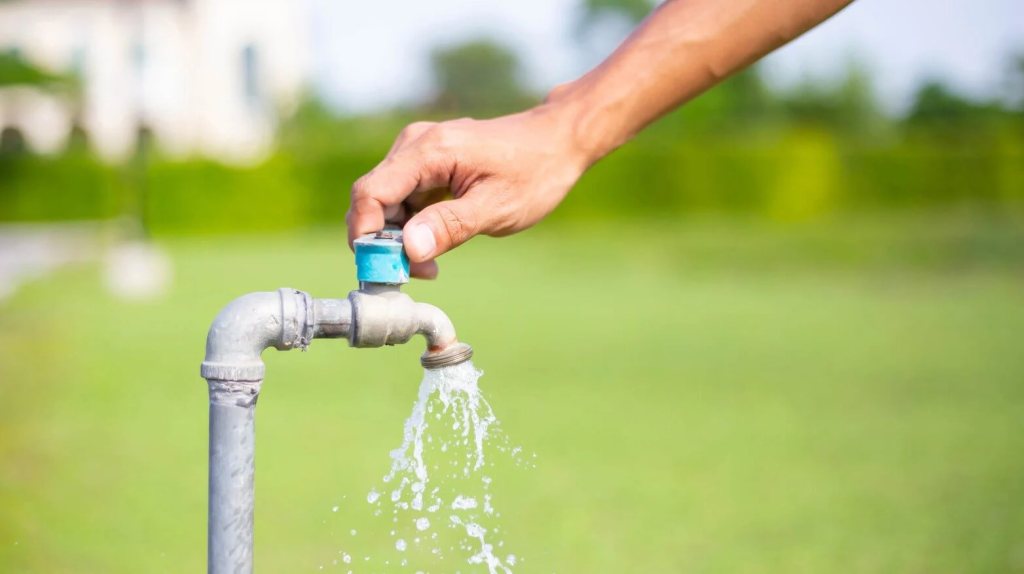
Whether you’re dealing with a plumbing emergency, heading out on vacation, or starting a renovation project, knowing how to turn off the water to your house is a skill every homeowner should master. Water leaks and burst pipes can cause thousands of dollars in damage, and a quick response often starts with shutting off your home’s water supply. In this guide, we’ll walk you through why, when, and how to turn off the water to your house effectively and safely.
Why You Might Need to Turn Off the Water to Your House
There are several scenarios where you may need to shut off the water supply to your home:
- Plumbing emergencies such as burst pipes or major leaks
- Home renovations that involve plumbing, like kitchen or bathroom remodeling
- Seasonal shutdowns for vacation homes or investment properties
- Extended vacations, especially during winter to avoid frozen pipes
- Preventative maintenance or when replacing appliances like dishwashers or hot water systems
Understanding how to quickly turn off the water to your house can save you from extensive water damage and costly repairs.
Where to Find Your Main Water Shut-Off Valve
The first step is locating your main water shut-off valve. This valve controls the flow of water from your local water supply into your home. Here’s where to look:
- In the front yard (common in Australia and many suburban areas): Look near the property boundary, often close to the street or footpath. The valve is usually located in a small underground box or pit with a metal or plastic lid.
- Inside the house (common in colder climates): In homes with basements or internal water meters, the shut-off valve is often located near the front foundation wall, in a utility room, or under the kitchen sink.
- Near your water meter: Your water shut-off valve may be located directly next to your water meter, which is typically installed where the main water line enters your property.
It’s a good idea to familiarise yourself with this location before an emergency occurs.
How to Turn Off the Water to Your House
Once you’ve located the main shut-off valve, follow these steps:
- Use the Right Tool: Some shut-off valves require a meter key or a wrench. If your valve is below ground in a utility box, keep a meter key handy in your garage or shed.
- Turn the Valve Clockwise: Most main shut-off valves are ball or gate valves. Turn the valve clockwise (right) until it stops. This will stop the flow of water into your house.
- Check Inside Taps: Open a tap inside your home to confirm the water is off. The water should slow down and stop within seconds if the valve is closed properly.
For ball valves, the handle should be perpendicular (90 degrees) to the pipe when it’s off. For gate valves, it may take several turns to fully close it.
Shutting Off Water to Specific Fixtures
In some cases, you don’t need to turn off the water to your entire house. Many fixtures have individual isolation valves that let you shut off water locally. Common places with individual shut-off valves include:
- Toilets (under the cistern)
- Sinks (under the basin)
- Washing machines (near the hose connections)
- Dishwashers (usually under the kitchen sink)
Use these valves for minor repairs or appliance replacements without disrupting your entire household’s water supply.
What to Do After Turning Off the Water
Once you’ve shut off the water:
- Drain the pipes: Open the lowest tap in your house (e.g., garden tap or laundry sink) to drain remaining water.
- Repair or service: Proceed with the necessary repairs or wait for a plumber.
- Turn the water back on slowly: After completing the work, turn the water on gradually to avoid pressure surges that can damage pipes and fixtures.
Final Tips for Homeowners
- Label the valve: Make it easy for everyone in your household to locate and identify the main water shut-off valve.
- Educate your family: Ensure all adults and older children know how to turn off the water to your house in an emergency.
- Routine checks: Test the shut-off valve occasionally to ensure it’s not stuck or corroded.
- Contact a professional: If you’re unsure or the valve is difficult to operate, consult a licensed plumber.
Conclusion
Knowing how to turn off the water to your house is one of the most important things you can do to protect your home from water damage. Whether it’s a burst pipe, a leaky tap, or a simple home upgrade, shutting off the water is the first step to safety. Familiarise yourself with your home’s plumbing system now—before an emergency strikes.
If you’re dealing with a water emergency or need assistance locating your shut-off valve, our professional plumbing team is here to help. Contact [Your Company Name] today for expert advice, emergency services, or preventative plumbing inspections.
 Commercial Plumbing Service
Leave a comment