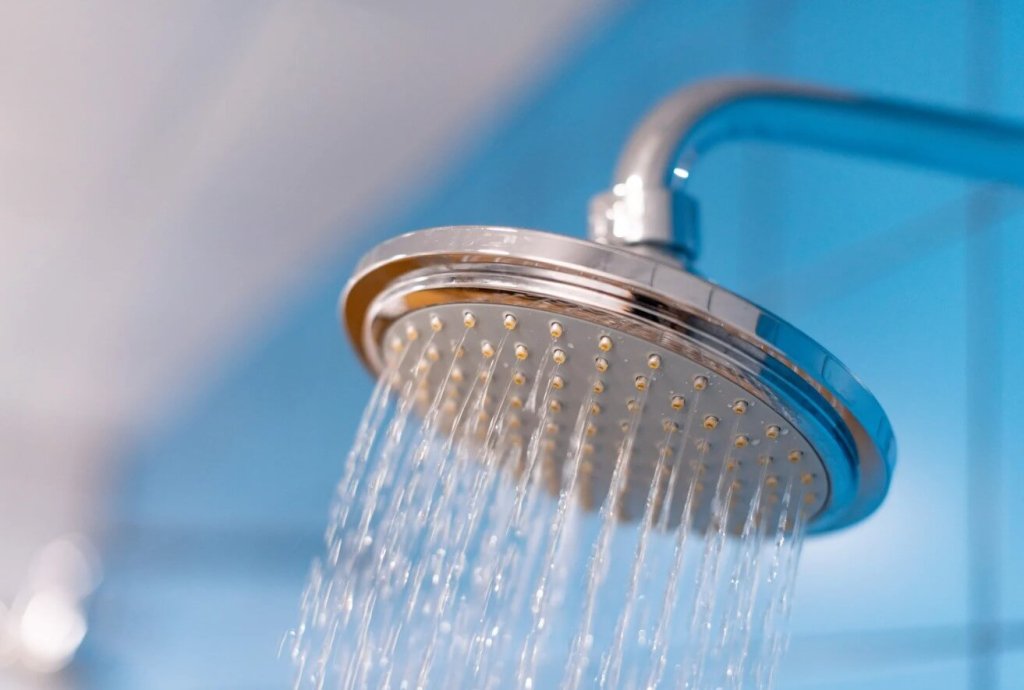
If you’ve ever found yourself frustrated with weak water flow during a shower or slow-filling sinks, you’re not alone. Many homeowners face issues with low water pressure, which can be both inconvenient and inefficient. You might be wondering, “How do I increase the water pressure in my house?” Fortunately, there are several practical steps and long-term solutions to boost your home’s water pressure and improve your daily comfort.
What Causes Low Water Pressure?
Before attempting to increase the water pressure in your house, it’s important to understand what’s causing the issue. Some common causes include:
- Clogged or corroded pipes
- Leaky plumbing
- Faulty pressure regulators
- Shared water supply systems
- Municipal supply issues
- Partially closed main water valve
Identifying the root cause will help you choose the most effective fix.
1. Check the Main Shutoff Valve
One of the simplest fixes is to check the main shutoff valve. This is often located where the water line enters your home. If it’s not fully open, it can reduce the water flow significantly. Turn the valve completely counter-clockwise and test your faucets again. You’d be surprised how often this basic step solves the problem.
2. Inspect Your Pressure Regulator
Homes equipped with a pressure-reducing valve (PRV) sometimes suffer from low pressure due to faulty calibration or wear and tear. The PRV is typically located near the main shutoff valve. If you suspect the regulator is failing, consult a plumber. Adjusting or replacing it may be the answer to “how to increase the water pressure in my house.”
3. Test Water Pressure with a Gauge
To get an accurate reading of your home’s water pressure, use a pressure gauge attached to an outdoor faucet. Ideal residential water pressure should fall between 40 and 60 psi. If your reading is significantly below that, it’s time to take further action.
4. Clean Out Clogged Fixtures
Over time, mineral buildup can clog faucet aerators and showerheads. Remove them and soak in vinegar overnight to dissolve the debris. If this improves pressure, the issue may be isolated to a few fixtures, not the entire plumbing system.
5. Replace Old Pipes
If your home is older, you may have outdated galvanized steel pipes that have become corroded. This significantly restricts water flow. Replacing them with PVC or copper piping can dramatically increase the water pressure in your house. Although this is a larger investment, it pays off in performance and home value.
6. Install a Water Pressure Booster Pump
For homes in areas with consistently low municipal water pressure, installing a booster pump may be the ideal solution. These devices increase water flow into your home, maintaining steady and strong pressure. It’s a reliable long-term fix that ensures water flows efficiently throughout your property.
7. Check for Leaks
Even a small leak can reduce household water pressure. Check for signs such as damp spots, water stains, or unexplained increases in your water bill. Fixing leaks promptly can help increase the water pressure in your house and prevent further plumbing issues.
8. Upgrade Your Fixtures
Modern low-flow fixtures can sometimes be overly restrictive. Replacing them with pressure-optimized models can give you the best of both worlds—reduced water usage and better flow. Make sure you choose products that meet local efficiency standards but are also designed for strong performance.
Conclusion
If you’ve been asking yourself, “How do I increase the water pressure in my house?” now you have a variety of effective strategies to explore. From quick DIY fixes like cleaning fixtures and checking valves to more extensive upgrades like installing booster pumps or replacing old pipes, there’s a solution to suit every need and budget.
Regular maintenance and timely inspections are key to ensuring your home’s plumbing system operates at its best. Increasing water pressure not only enhances your daily comfort but can also boost your property’s value and reduce long-term plumbing costs.
 Commercial Plumbing Service
Leave a comment