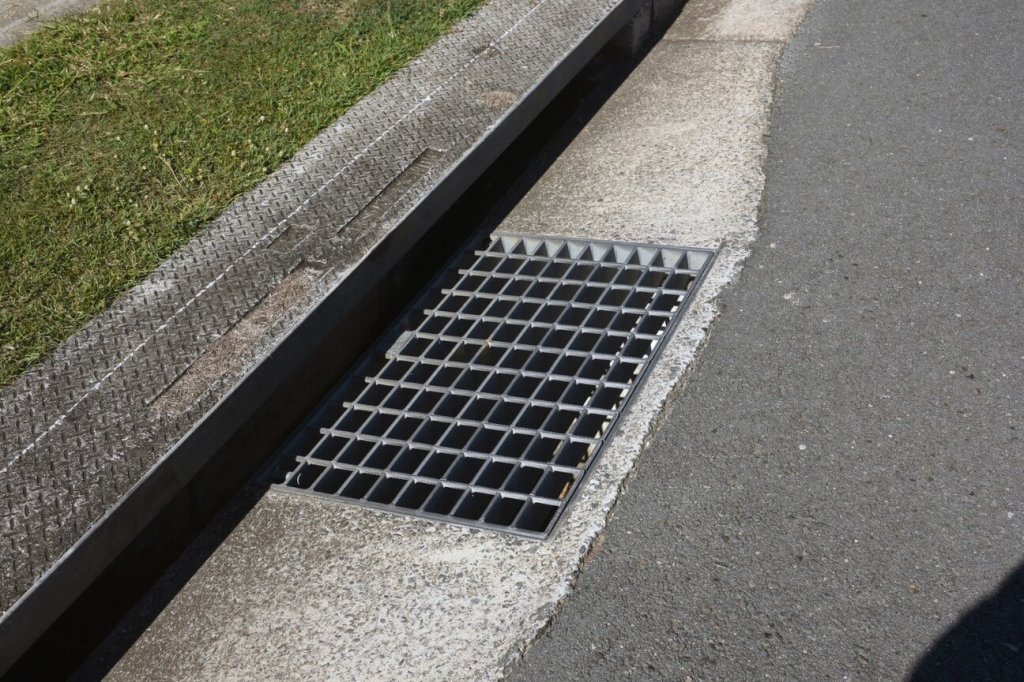
Blocked stormwater drains are a common issue, particularly after heavy rainfall or when leaves and debris accumulate in the system. A clogged drain can lead to flooding, property damage, and erosion. Knowing how to unblock a stormwater drain is essential for maintaining a well-functioning drainage system. In this guide, we’ll cover the tools you’ll need, key steps to clear the blockage, and when to call in professional help.
Common Causes of Blocked Stormwater Drains
Stormwater drains can become blocked due to a variety of reasons, including:
- Leaves and Debris: Fallen leaves, branches, and general yard debris are among the most common culprits, especially in autumn.
- Sediment Build-Up: Over time, sediment, mud, and silt can settle in the pipes, reducing water flow and leading to blockages.
- Tree Roots: Tree roots can infiltrate pipes in search of water, causing cracks and blockages that worsen over time.
- Foreign Objects: Items like stones, plastic, or other debris can enter the drainage system, especially if drain covers are damaged or missing.
Understanding what’s causing the blockage is key to determining the most effective way to clear it.
Tools You’ll Need
Before starting the unblocking process, gather the necessary tools to make the job easier. You may need:
- Gloves and Safety Goggles: Essential for safety, as clearing blockages can expose you to debris and dirty water.
- Drain Rods: Extendable rods designed to push or dislodge blockages deep within pipes.
- Plunger: A plunger can create pressure in the pipe, helping to dislodge minor blockages.
- High-Pressure Hose: A hose with a pressure nozzle can flush out debris in smaller pipes.
- Drain Camera (Optional): If the blockage is severe or hard to locate, a drain camera can provide visibility inside the pipe.
Step-by-Step Guide to Unblock a Stormwater Drain
Step 1: Identify the Location of the Blockage
Check around your property to locate the point where water is backing up. Look for visible signs of overflow near downpipes or drain grates. Identifying where the blockage begins can save time and help you choose the right approach.
Step 2: Remove Surface Debris
Clear away any visible debris, such as leaves or branches, that may be covering the stormwater grate. In many cases, this simple action can allow water to flow freely again.
Step 3: Use a Plunger on the Drain
Place a plunger over the drain opening, ensuring a good seal. Move the plunger up and down forcefully to create pressure in the pipe. This can help dislodge minor blockages near the opening of the drain.
Step 4: Insert a Drain Rod into the Pipe
If the plunger isn’t effective, use a drain rod. Insert the rod carefully into the drain, moving it slowly to avoid damaging the pipe. Rotate the rod as you push it forward, attempting to reach and dislodge the blockage. Drain rods are particularly useful for clearing out leaves and small debris trapped further inside the pipe.
Step 5: Flush with a High-Pressure Hose
Once you’ve broken up the blockage, use a high-pressure hose to flush out any remaining debris. Place the hose inside the pipe and turn on the water, allowing the force to push loose debris down the line. Be cautious not to use excessive pressure if the pipes are older or fragile.
Step 6: Use a Drain Camera (if Necessary)
If you still encounter issues after following the steps above, a drain camera can help identify any deeper blockages or structural issues. Some homeowners choose to hire professionals with specialized equipment to conduct this inspection.
Step 7: Clean and Maintain the Drain
After unblocking, it’s essential to clean out the drain and consider regular maintenance. Remove any additional debris around the drain grate and clear gutters and downpipes to prevent future clogs. Regular maintenance can significantly reduce the chance of repeat blockages.
When to Call a Professional
In some cases, a blockage may require professional expertise. Consider contacting a licensed plumber or drain specialist if:
- The blockage persists despite your efforts.
- Tree roots are involved, as this often requires specialized cutting tools or pipe replacement.
- Structural damage to the pipes is evident, such as cracks or severe clogs.
- Recurrent blockages are happening, which may indicate a larger problem within the drainage system.
Professionals have the equipment and experience to handle more complex issues, ensuring that your stormwater system functions correctly.
Preventive Tips to Avoid Stormwater Drain Blockages
Taking proactive steps to maintain your stormwater drains can save time, money, and prevent future issues:
- Regularly Clear Debris: Routinely clean leaves, branches, and dirt from your gutters, downpipes, and stormwater grates.
- Install Drain Covers: Consider installing grate covers to prevent debris from entering the drain in the first place.
- Trim Nearby Trees: Regularly prune trees and bushes near the drainage system to reduce the risk of leaves and roots infiltrating the pipes.
- Inspect Drains Seasonally: After major storms or during seasonal changes, check your stormwater drains for any signs of blockage.
- Flush Drains Annually: Use a hose to flush out sediment build-up, keeping pipes clear and preventing sediment accumulation.
Conclusion
Unblocking a stormwater drain can be straightforward with the right tools and steps, helping you avoid the inconvenience and damage caused by water overflow. By following these steps and performing regular maintenance, you can keep your stormwater drainage system in top shape. For more serious or persistent issues, don’t hesitate to call a professional to ensure your drainage system remains safe and effective.
 Commercial Plumbing Service
Leave a comment